Making strong progress towards our sustainability goals
From reducing emissions to improving animal welfare, Vion is making measurable progress towards its sustainability ambitions for 2030. Chief Sustainability Officer Veronika Weber shares the achievements she is most proud of and the next steps we are working on together.
Towards 2030: building resilient food supply chains together
As Chief Sustainability Officer, I focus every day on turning our sustainability ambitions into practical action and meaningful improvements, both within Vion and across our supply chain.
For Vion, sustainability goes beyond compliance and reducing our carbon footprint. It is a strategic responsibility that requires us to balance food safety, animal welfare, integrity, good working conditions and environmental impact. Getting that balance right is essential to building resilient food supply chains and shaping the role we want to play in a reliable food system that is fit for the future.
With 2030 in sight, it is encouraging to see how far we have already come. We have made significant progress in reducing emissions, gaining a clearer understanding of our products’ environmental impact, and making improvements in animal welfare and workforce-related matters. These are achievements I am proud of.
But progress is no reason to stand still. If anything, it shows what we can achieve when we combine reliable data, practical experience and innovation. The better we understand where our impact comes from, the more effectively we can address it. And that is something we need to do together with farmers, customers and other partners across the food supply chain.
Our progress on greenhouse gas emissions is a good example. Since 2021, we have reduced our Scope 1 and 2 emissions by 38.2%. The transition to renewable energy is also making a difference. As of 2026, all Vion sites in the Netherlands use 100% renewable electricity.
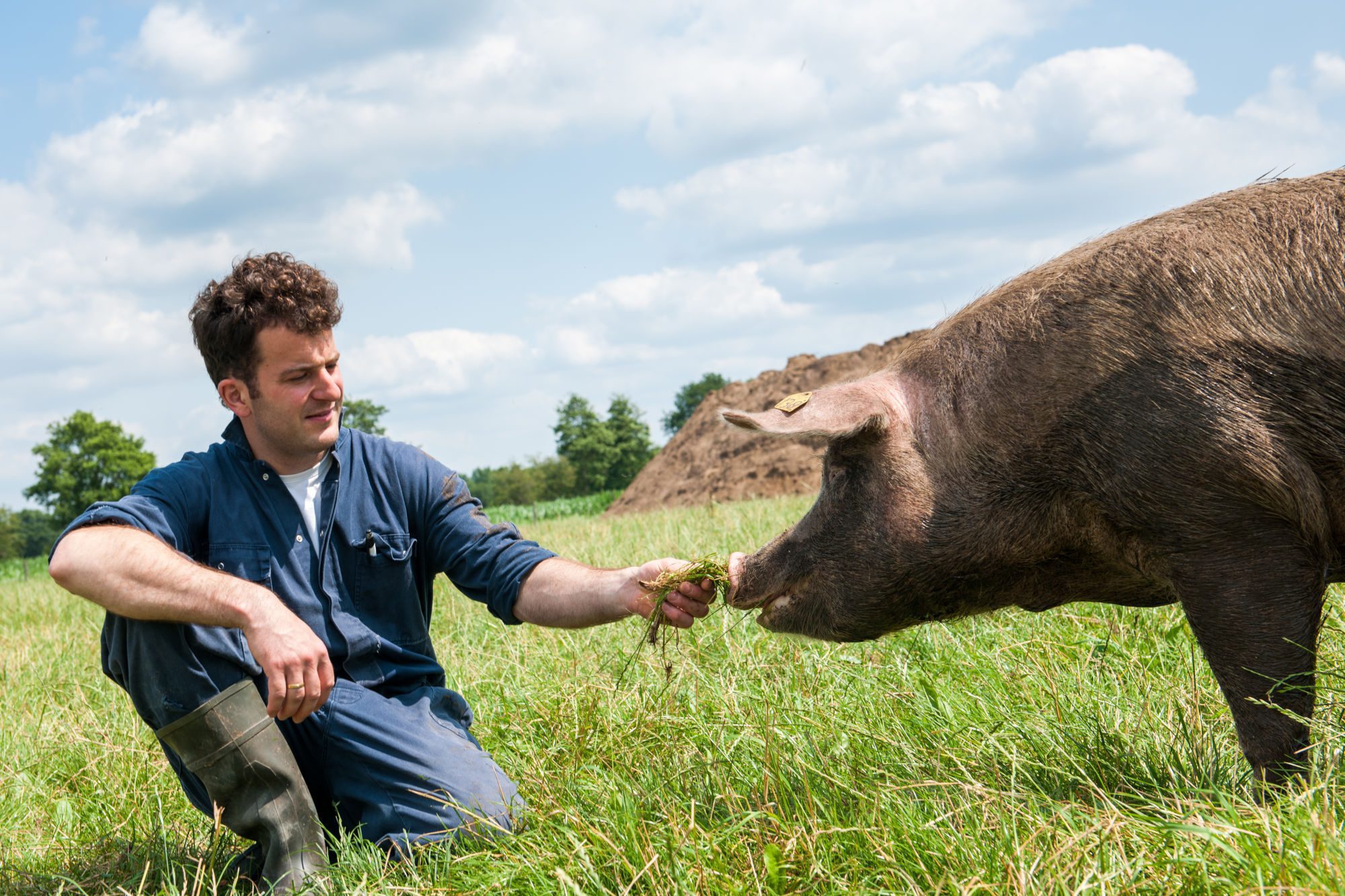
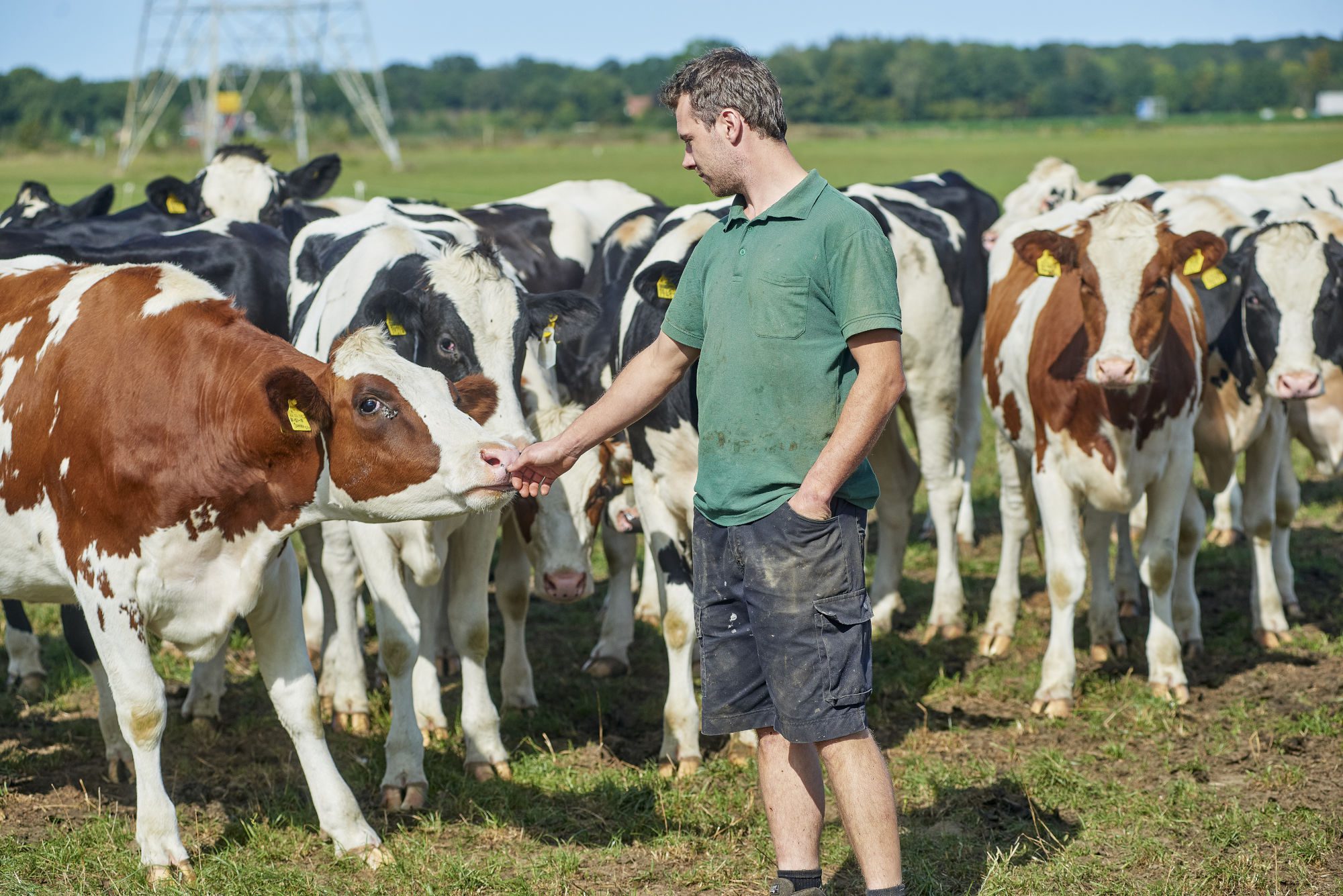
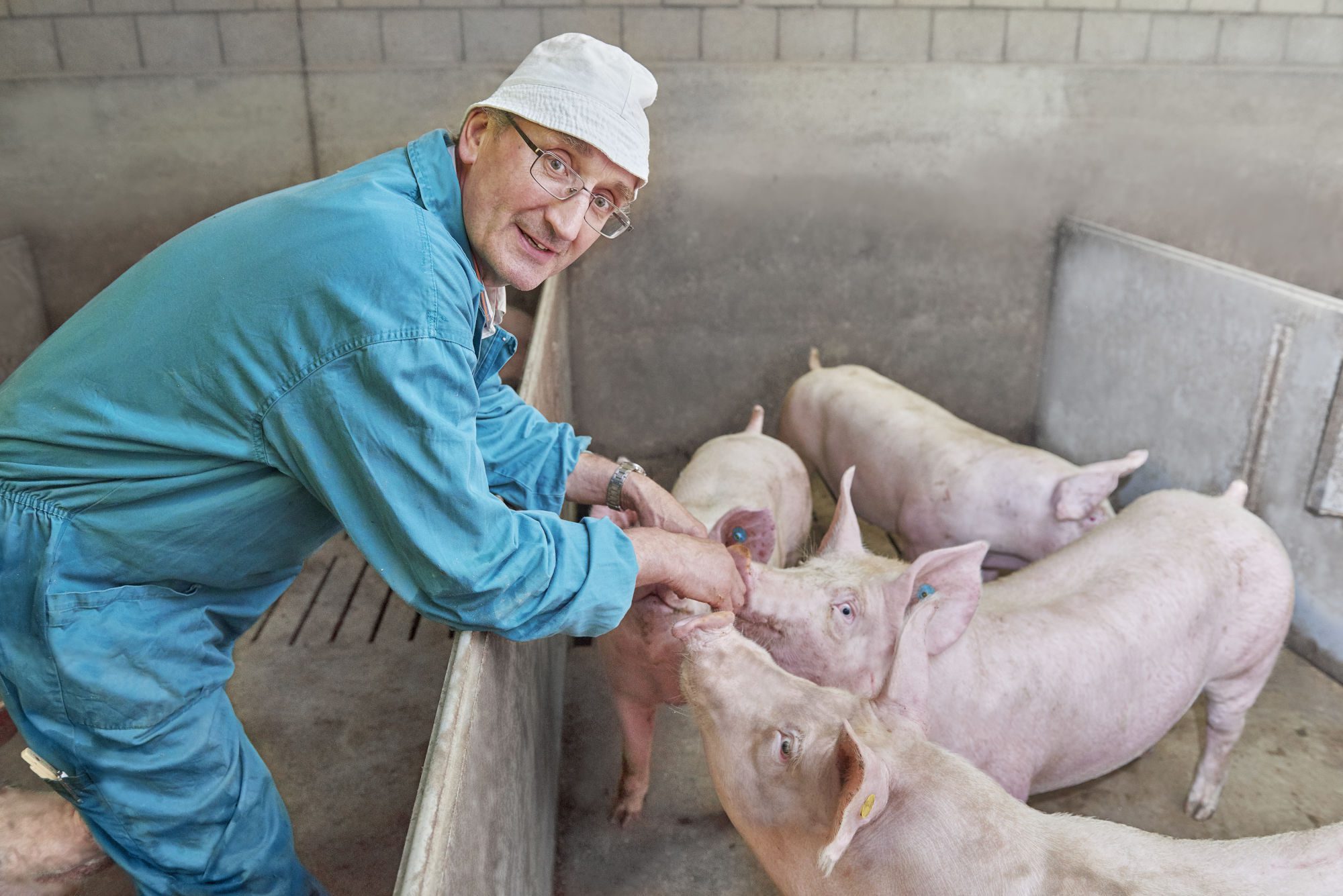
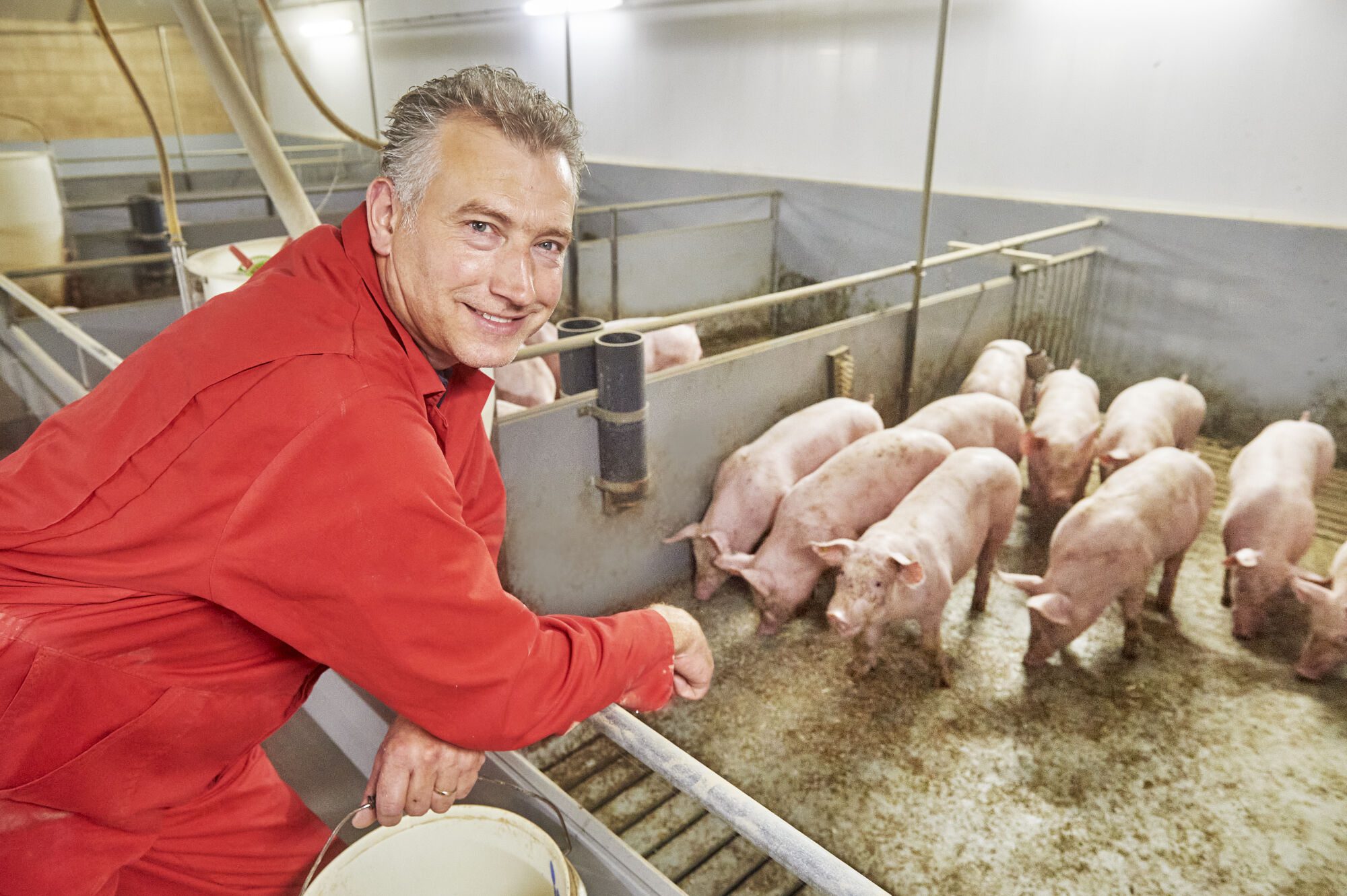
However, most of our emissions occur in the wider value chain. Since 2021, our Scope 3 emissions have fallen by 35.2%. As a significant share of our environmental impact originates at farm level, we are working closely with farmers to measure and reduce emissions. Measures introduced on farms have contributed to a 1.8% reduction in emissions per pig and a 2.5% reduction per head of cattle.
We also want to get a more accurate view of the carbon footprint of our individual products. That is why we are expanding our use of verified product carbon footprints. By 2030, our goal is to sell 25% of our products with a product-specific carbon footprint. This will give us and our partners greater insight into emissions across the supply chain and help us identify where further reductions can be made.
We are also seeing clear progress in animal welfare. Currently, 23.3% of animals are raised according to certified higher-welfare standards. Technology is helping us monitor conditions more closely, identify areas for improvement and measure the results. For example, we use AI-powered camera systems to identify potential animal welfare concerns. Automated measurements for tail length and tail damage in pigs also give farmers valuable information about the condition of their animals.
For me, there is another essential part of this work: building a food supply chain that is fit for the future also means investing in the people who make it possible every day.
In the Netherlands, more than half of our workforce is now employed directly by Vion. This means we have already exceeded the target we set for mid-2026. We have also made important improvements in health and safety.
What makes me particularly proud is that none of this progress comes down to one major change. It is the result of many practical improvements, made in different parts of our business and supply chain, that together are making a real difference.
There is still work to be done. In the years ahead, we will continue to invest in data, innovation and collaboration. Because, to me, sustainability is not simply about reducing our impact. It is about building food supply chains that are strong and resilient enough to meet the challenges of the future.
Our challenge is to continue producing nutritious, affordable food while improving animal welfare, reducing our environmental impact and ensuring that farmers have a viable future.
Interested in what Vion can offer when it comes to sustainability? Please contact your usual Vion representative or have a look at our Sustainability Statement 2025 (https://www.vionfoodgroup.com/en/about-vion/annual-report-sustainability-statement)
Dr. Veronika Weber
Chief Sustainability Officer, Vion