


Lower emissions, better insight into the carbon footprint of meat, and further advances in animal welfare and workforce management demonstrate measurable progress towards Vion’s 2030 ambitions.
Vion Food Group is reducing the environmental impact of its operations and supply chain while strengthening animal welfare and its workforce model. The latest sustainability data show significant reductions in greenhouse gas emissions, further growth in renewable energy and continued improvement in higher-welfare production and slaughter practices.
“The progress we are making shows the value of combining reliable data, practical experience and innovation. We need to understand where our impact occurs and use that knowledge to make real improvements together with farmers, customers and other partners in the food chain. Sustainability is not only about reducing impact; it is about building resilient food chains for the future,” says Dr. Veronika Weber, Chief Sustainability Officer at Vion.
Reducing emissions across the value chain
Vion has reduced its Scope 1 and 2 greenhouse gas emissions by 38.2% compared with the 2021 baseline. Energy efficiency and the transition to renewable energy are important drivers of this development. Factory energy consumption has fallen by 18.5% compared with 2021, while the share of renewable electricity has increased from 0.1% in 2021 to 32%. From 2026 onwards, all Vion facilities in the Netherlands use 100% renewable electricity.
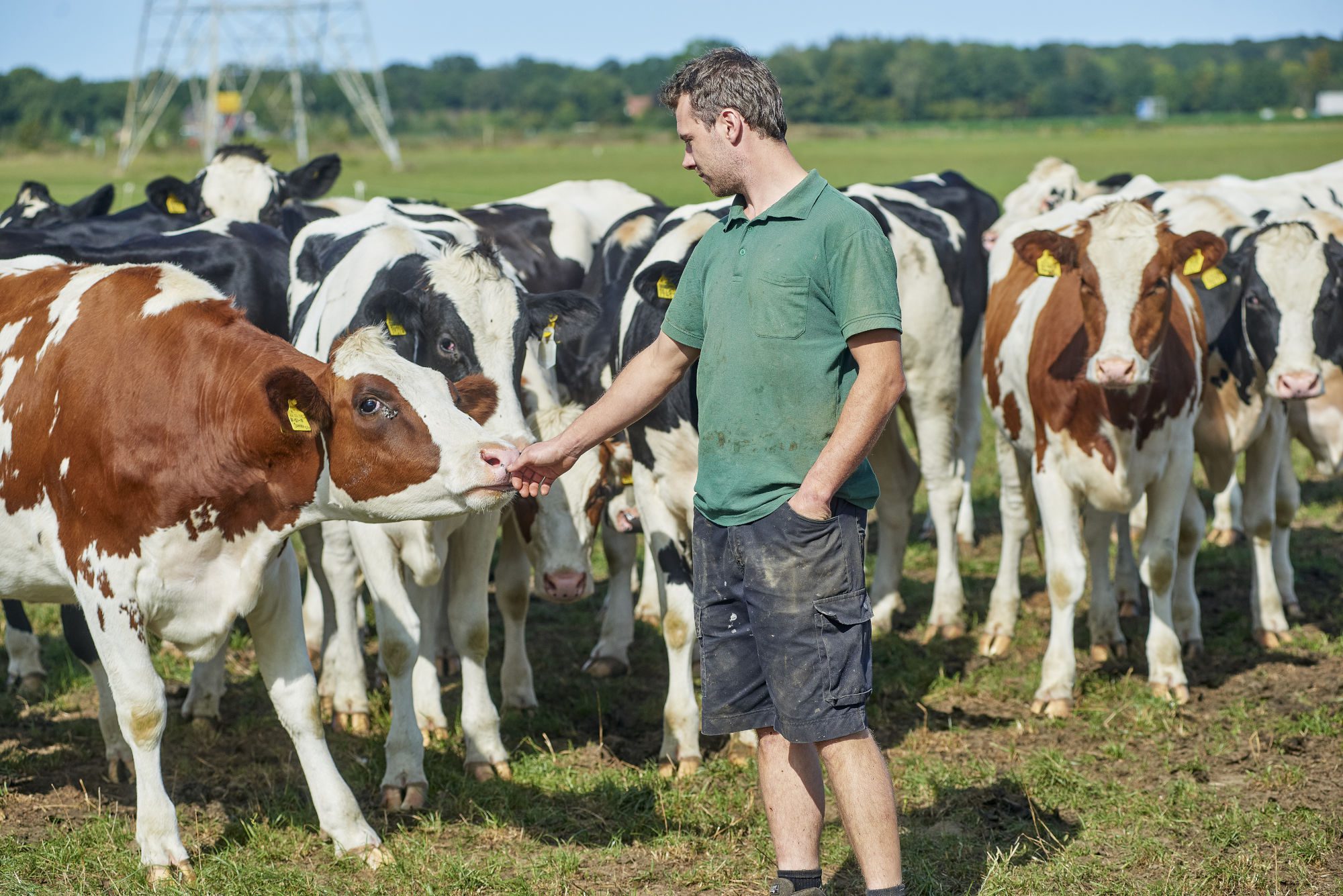
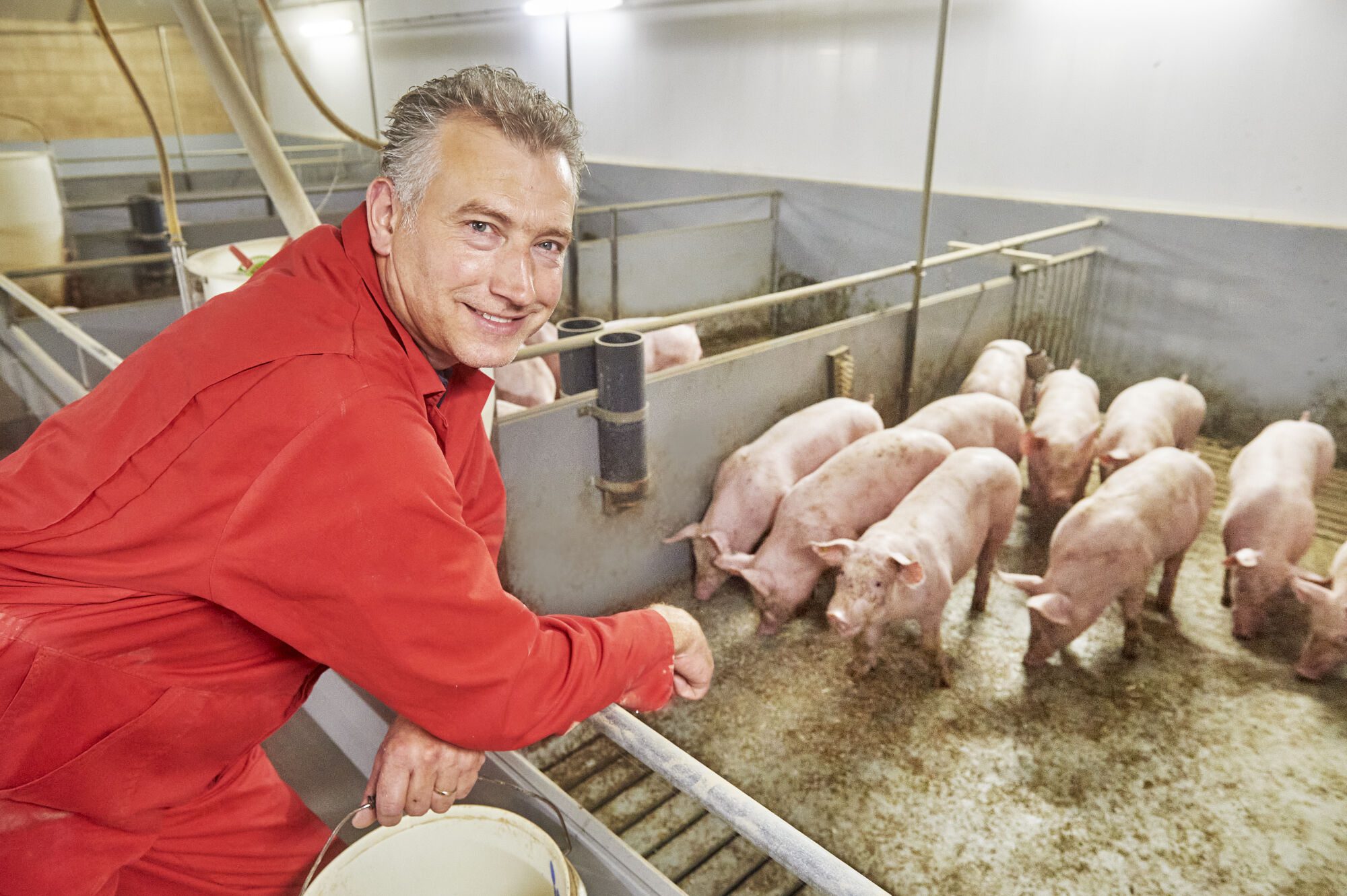
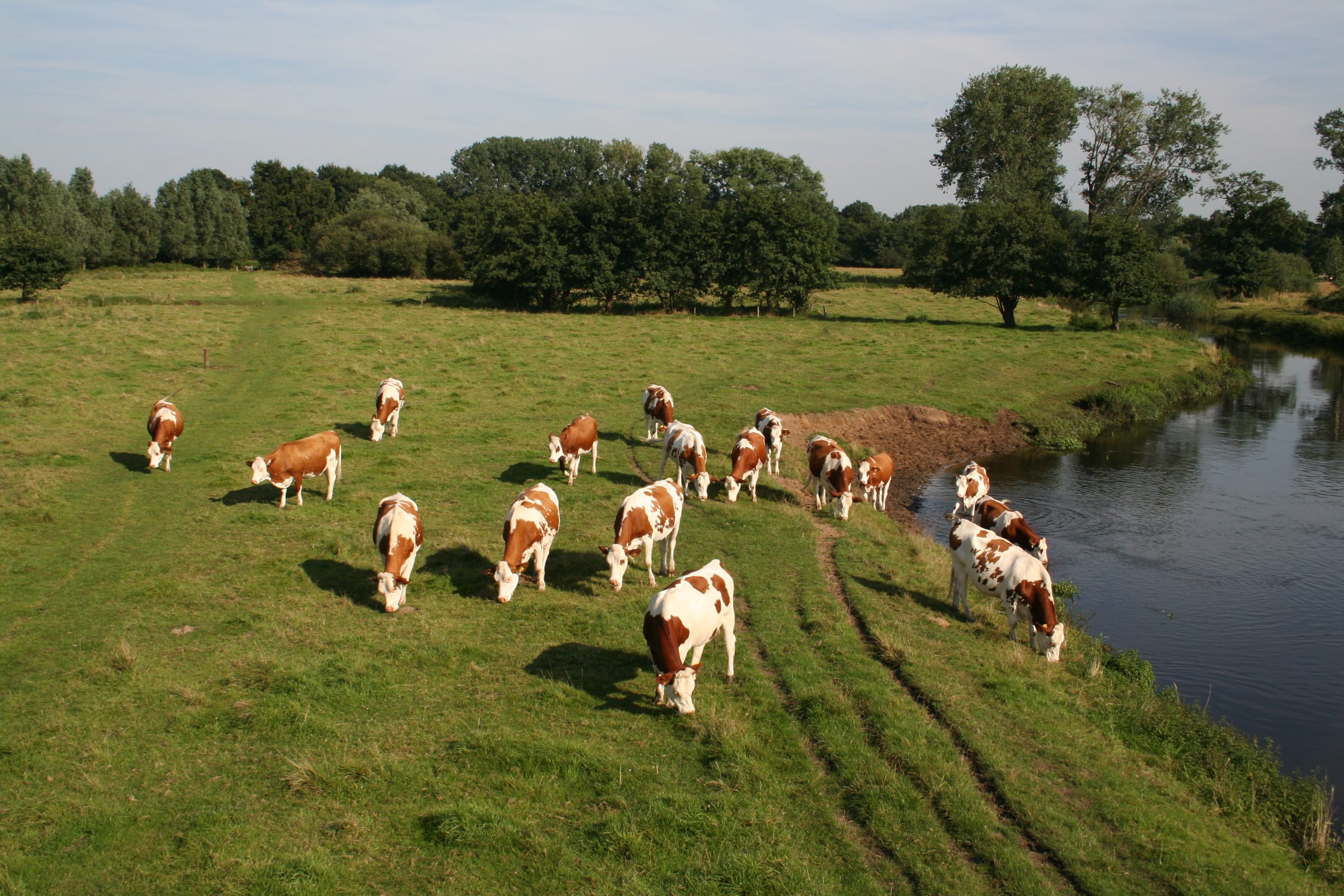
Scope 3 emissions, which include emissions across the wider value chain, have decreased by 35.2%. As a large share of the environmental impact of meat production occurs at farm level, Vion is also increasing its focus on measuring and reducing emissions across the supply chain. Reduction steps at farm level contributed to a 1.8% reduction in emissions per pig and a 2.5% reduction per head of cattle.
Looking at the target to reduce Scope 1, 2 and 3 emissions by 42% by 2030, the results show that the company is well on track to achieve this important target. Newly developed reduction plans are expected to help its operations exceed the target for at least Scope 1 and 2. At the same time, the food producer is expanding the use of verified product carbon footprints. To support more data sharing at farm level and to provide customers and farmers with more detailed insights into their emissions across the chain, Vion aims to sell 25% of its products with a dedicated carbon footprint by 2030.
Using data and innovation to improve animal welfare
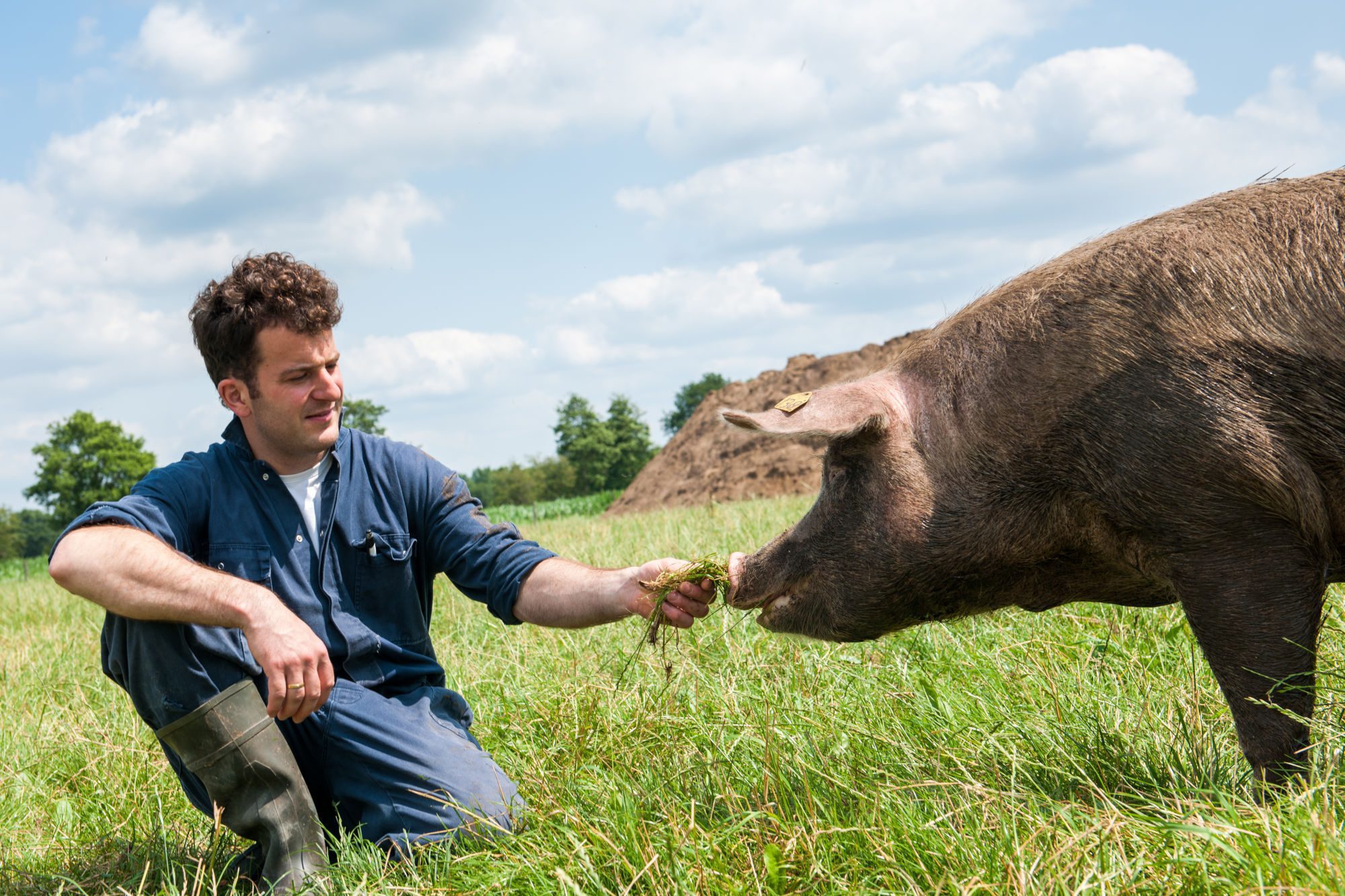
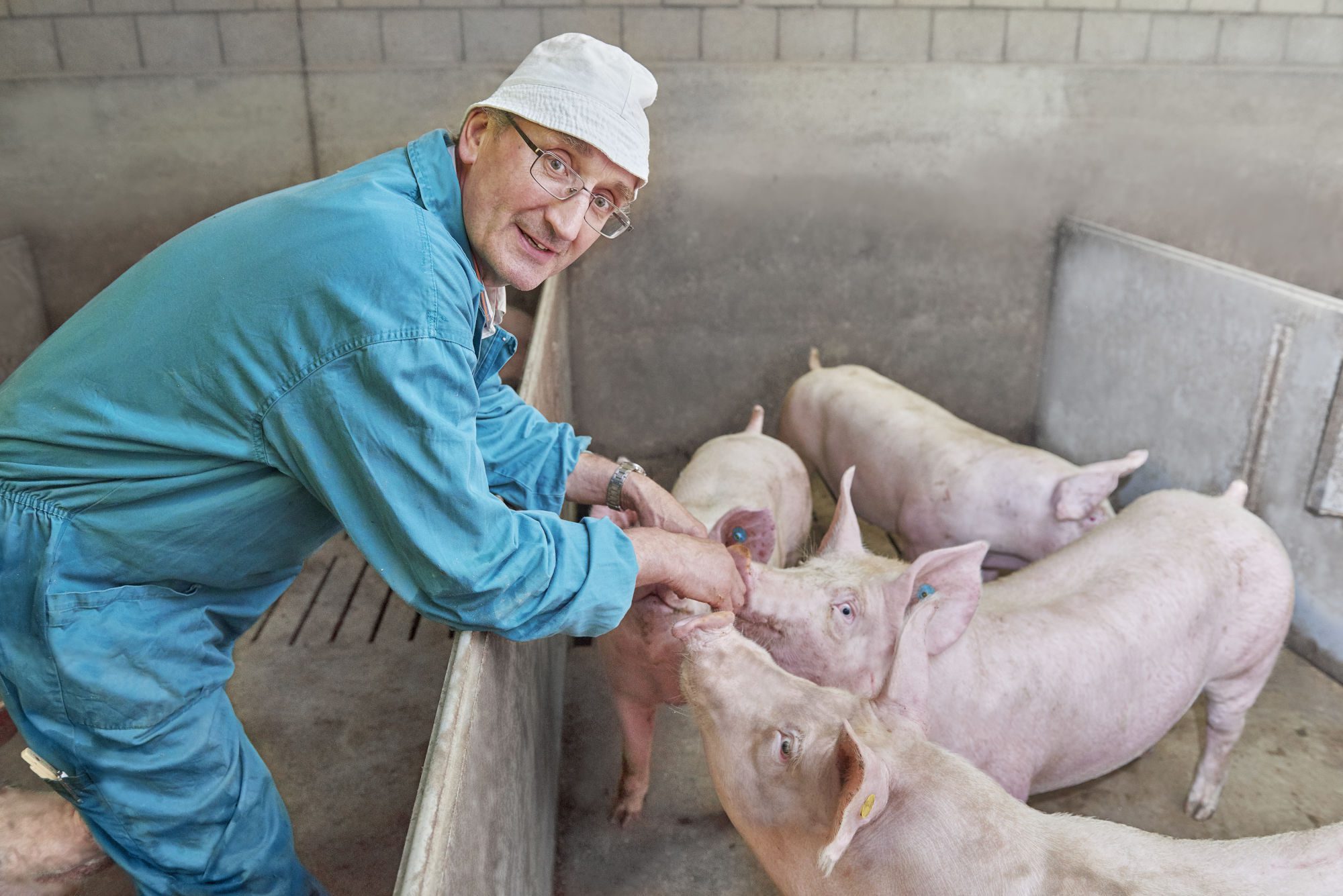
Vion has also continued to strengthen animal welfare across its supply chains. The share of animals raised under certified higher-welfare standards increased to 23.3%. At the processing sites, technology increasingly supports animal welfare monitoring. AI-driven camera systems help identify and address potential welfare concerns in lairage and slaughter areas. Automated measurement of pig tail length and lesions gives farmers better insight into tail condition, enables benchmarking between farms and supports the transition towards keeping pigs with intact tails, in line with Vion’s ambition to end routine pig tail docking by 2030.
Increasing direct employment
Vion has also made significant progress in strengthening its workforce model in the Netherlands to changing regulatory requirements and sector commitments. The company had set a target to achieve a 50/50 ratio between directly employed and flexible labour by mid-2026. This target has already been surpassed, with more than half of the workforce now directly employed by Vion, demonstrating strong progress towards the new employment model.
Our continued focus on health and safety delivered measurable results, with a significant reduction in lost-time injuries and further improvements in our internal Safety Culture Ladder score. This demonstrates the strength of our commitment to fostering a proactive safety culture throughout Vion, that we have been working on for years.