


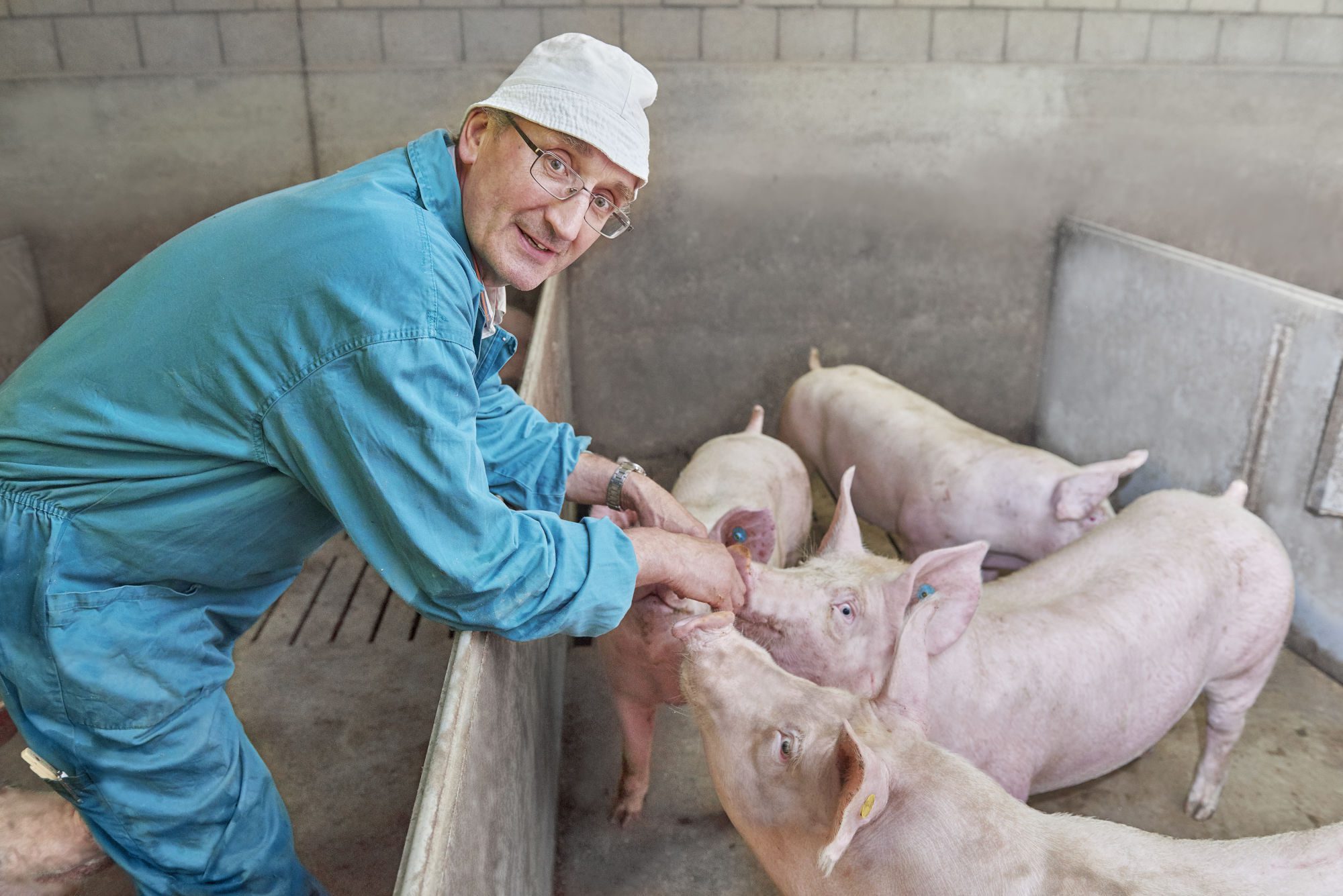
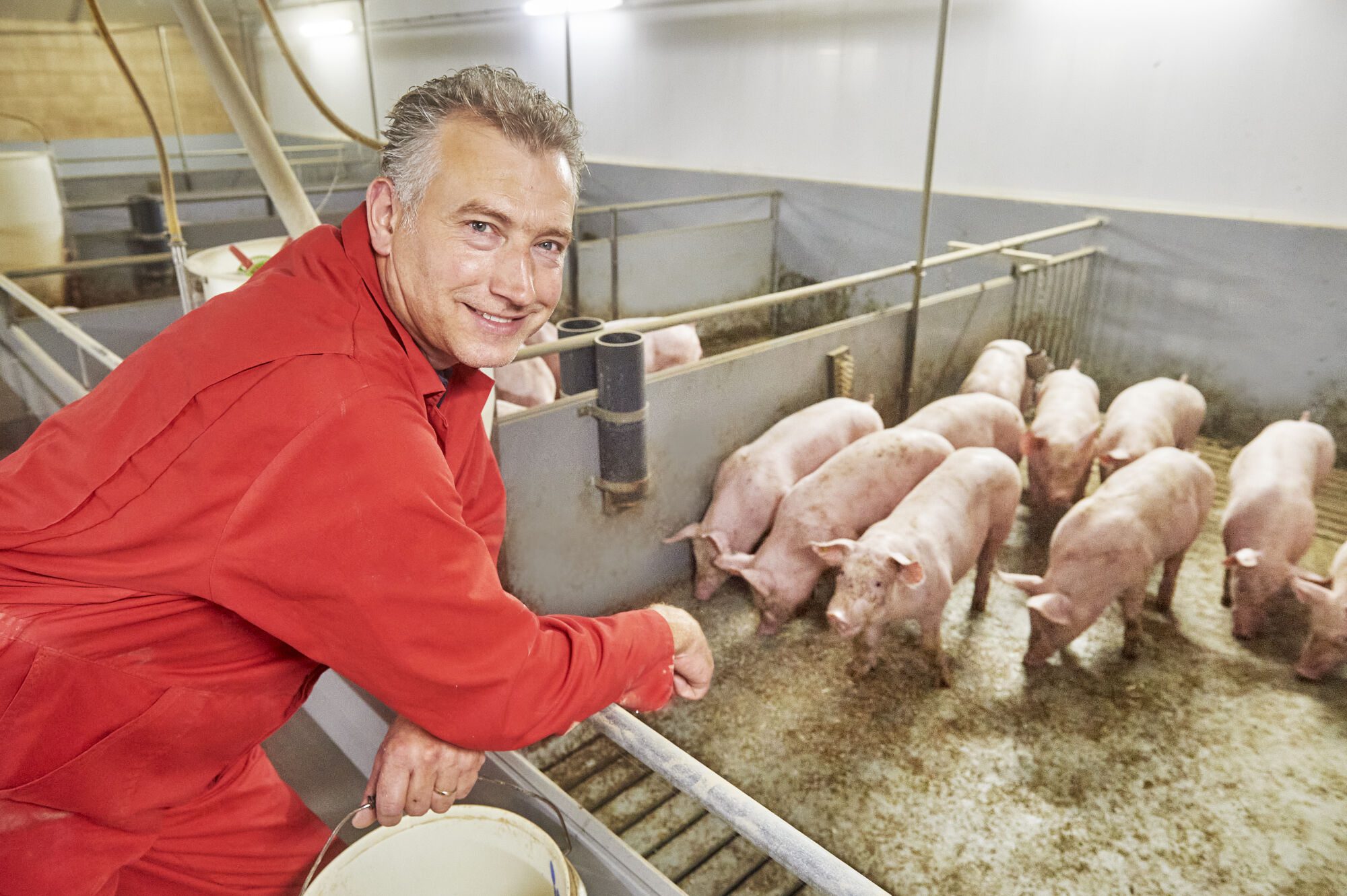

A science-based, industry-wide solution for accurately calculating CO₂ emissions in the pig sector is now available. This solution is already being used by several companies in the industry and is ready for further rollout. In order to calculate and reduce emissions in the sector, it is essential to work with one well-substantiated, standardized method. That method now exists.
Since the 1990s, emissions in the pig sector have already been reduced by more than half, thanks to improvements such as more sustainable animal feed, solar panels on barn roofs, and better technical performance. Yet further reductions are possible. To achieve this, emissions must be calculated with precision, as they vary by country and by company. It is also essential to measure emissions across the entire pig supply chain: from the seed for animal feed production to the transport of the final product to the store.
ImpactBuying developed an accurate and practical calculation method a few years ago: the Carbon Footprint Calculator, in collaboration with scientists and companies in the sector, such as food producer Vion. This method, based on blockchain technology and supported by an independent audit system, is now ready for sector-wide implementation.
Trade Fair: Grüne Woche
ImpactBuying and Vion are presenting the Carbon Footprint Calculator at the 100th edition of Grüne Woche, the international trade fair for the food, agriculture and horticulture sectors, taking place this weekend in Berlin. They will demonstrate how the method works in practice and what insights it delivers for farmers, processors, retailers, and consumers. “Our presence at Grüne Woche underscores the importance of supply chain collaboration to genuinely reduce climate impact,” says Leontien Hasselman-Plugge, CEO of ImpactBuying.
A uniform approach is essential, says Tjarda Klimp, CEO of Vion Food Group: “To make meaningful progress, the sector needs a harmonized calculation method. It enables comparison and prevents fragmentation into many different, non-aligned calculation tools. This allows pig farmers to effectively calculate and improve their footprint and ensures consumers receive reliable data.”
Location-Specific
To realistically calculate CO₂ emissions, it is important to know which emissions are generated, at which location, and in which part of the chain. “This involves many partners and large volumes of data that need to be collected, verified, and processed,” says Hasselman-Plugge. “This is not only essential to monitor and reduce emissions collectively, but also to ensure that the products on supermarket shelves come with verified, trustworthy claims.”
Leading food companies such as Vion and Van Loon Group, along with their affiliated pig farmers, are already successfully using the platform to calculate their emissions. Currently, around 400 farmers, operating across approximately 500 locations, are using the platform to calculate their carbon footprint. This provides valuable insights and leads to actual reductions. Due to the blockchain technology used, the data of individual farmers is absolutely safe and confidential.
Hasselman-Plugge aims not only to roll out the Carbon Footprint Calculator across the entire pig sector, but also to expand it to the beef sector: “We are proud of this method because we see that it truly contributes to making the food supply chain more sustainable.”